This guide covers popular newspapers and blankets with emphasis on the ownership’s political affiliations as well as balance and clarity while consuming the news.
Introduction
Bangladesh is one of the countries in South Asia with a developing and vibrant media industry. There are hundreds of newspapers, dozens of TV stations and an even larger number of digital news outlets.There is also the Banger Casino app, making a name in the country. It is challenging for consumers of news to make sense of the media. It is the only country in the world which has all of the media in all of its styles, languages and political affiliations.
Bangladesh, no matter if it is a member of the diaspora, needs to understand the perspectives of the world. This helps the locals, the diaspora and even foreigners understand the country better.
Hence, this guide covers the Bangladeshi publications and the Turns and tips to balance the news and understand which are right.
The Structure of Bangladesh’s Media Ecosystem
The media landscape of Bangladesh has progressed greatly since gaining independence in 1971. It can now be separated into three branches:
- Print Media – Mass circulation tabloids and reputable broadsheets. Daily newspapers in Bangla and English.
- Broadcast Media – In the 1990’s and 2000’s many private radio and television stations flourished.
- Digital Media – This is the quickest form of news consumption. It includes portals, mobile apps, and social media driven journalism.
The Constitution of Bangladesh provides for the freedom of the press. However, many journalists work under the Digital Security Act (DSA) and economic influence from government, owner, and advertisers. As a result, many outlets are seen to correspond with particular business or political entities.
- Prothom Alo has one of the highest circulations in Bangladesh and is widely considered to be one of the most influential news sources available today.
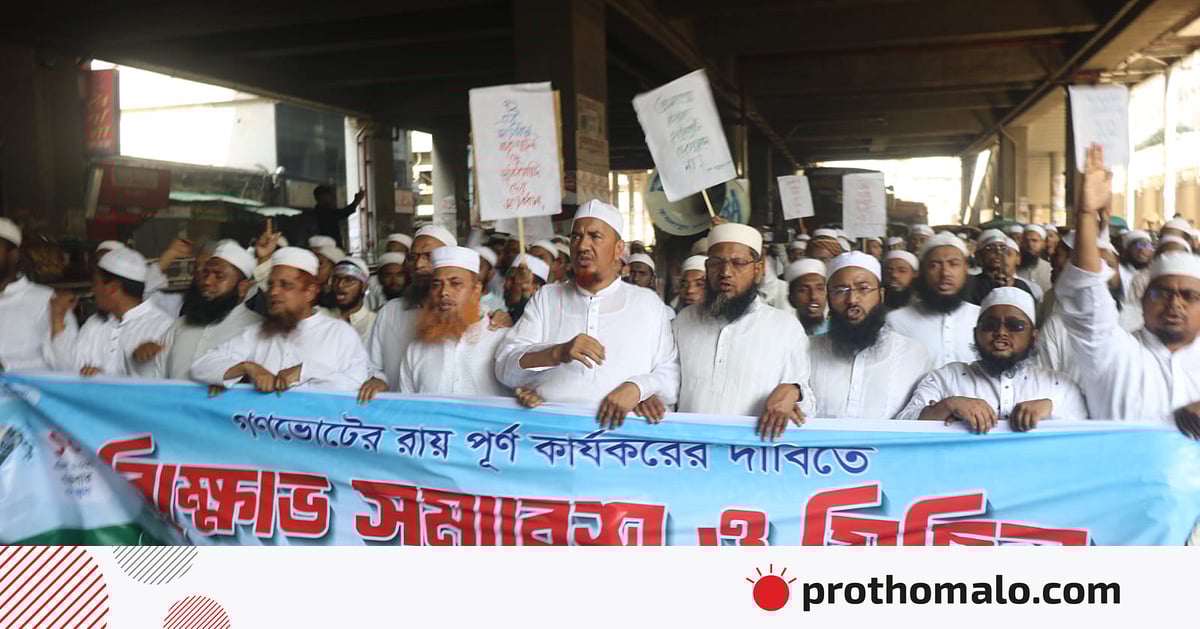
Founded in 1998, Prothom Alo is Bangla’s most widely read and influential newspaper. In comparison to other publications, Prothom Alo has a center-left political leaning and is more critical of the Awami League (AL) and other ruling parties. Prothom Alo is known for its investigative journalism and social issue coverage, however, selective criticism is often a highlighted concern.
- Bangladesh Pratidin Bangla is the most widely circulated daily newspaper. It’s circulation started growing in 2010.
- Itefaq is a newspaper that started in 1953. During that time, they supported and participated in the Bangladeshi Independence War.
- Itefaq is, though, still left in the pages of history. Along with the period of time where they were the most recognizable, their recent period of time has been lacking in achievements.
- Under the editorial center, they are still, soft, towards the center and more so towards the nationalist ideas.
- Jugantor newspaper started in 2000, and still continues to this day. Its reputation is surrounding the debates of politics through its savage commentary.
- Jugantor is known to be friendly towards the BNP. Because the newspaper is self financed, that helps to keep the self features of the newspaper.
- Kaler Kantho newspaper is relatively young, starting in 2010, and is under the ownership of the Giant group Bashundhara.
- University students are highly appreciative of the beautiful pages of this daily and love the simplified English that is published.
The Daily Star, the most read newspaper in Bangladesh, is said to be the newspaper with the most beautiful format. It is said that quite a large percentage of the readers are from outside Bangladesh.
- Daily, The Star is said to be tough towards the wrong doings, and the wrong doings in Bangladesh are more so, in the politicians.
**Dhaka Tribune. Founded: 2013**
- Reputation: Appeals to younger urban readers because of its stylish, newly modernized and digitally advanced characteristics.
- Political Leaning: It is believed to be socially progressive and liberal among its peers. Holds pro-reform, pro-feminism, and pro-internationalist positions.
The Financial Express
- Founded: 1993
- Focus: Business, Trade and Economic Policy
- Political Leaning: Usually pro-business and in the center of the political spectrum, strategically neutral. It does not engage in overt political polarization, thus safeguarding relationships with business circles.
**New Age.**
- **Founded:** 2003
- **Réputation:** Critical of neoliberal economic policies and left-leaning.
- **Political Leaning:** Always in opposition to ruling parties, claiming to be independent, and systematically critical of dominant ideologies.
Television Channels and Their Impact.
Despite the fact that newspapers still hold some significance, television remains the primary source of news for the average citizen and is the most widely consumed. The most popular channels include:
- ATN News: A cautious 24-hour News channel that is cautious with its political handling.
- Somoy TV: Very powerful and considered to be close to the ruling circles, influential.
- Ekattor TV (71 TV): Firmly in support of the government and very vocal in opposition towards the opposition parties.
- NTV and Channel i: More entertainment oriented, but still offer justified news coverage. They are popularly known for providing balanced political news.
- TV channels, more than newspapers, are subject to more severe government control. This has caused some channels to be more critical of the government than is necessary.
Digital Media and Online Portals
The accessibility to the internet as well as the increased accessibility to smartphones have changed the way Bangladeshis read and consume news. BDNews24.com and Bangla Tribune along with other news sites such as JagoNews24 have become quite popular, particularly among the urban and the diaspora audiences.
- ‘BDNews24’ is one of the first online news portals. They are still somewhat balanced, but cautious with the information that is shared.
- ‘Bangla Tribune’ is a digital first news site that is much more progressive and active in social causes.
- ‘JagoNews24’ is popular for its broader coverage and rapid reporting of the news.
- Social media sites such as Facebook, YouTube and WhatsApp, however, serve more blur the lines of professional journalism and citizen reporting.
How Politics Shapes News Coverage in Bangladesh
Bangladesh is not an exception in the sense that politics and journalism go hand in hand. In fact, it is said that politics, business and journalism have all fused together in the country.
The Owners and their Political Connections
A large number of newspapers and television channels are owned by business corporations that have close relationships with political parties.
The Law of the Land
The Digital Security Act and such other laws have a chilling effect on reporting credibility.
The Influence of Advertisers
Corporate and government advertisers along with the editors greatly shape and control news channels.
The Hatred and Rivalry
Most of the time, the media displays the intense competition and hatred that exist between the Awami League (AL) and the Bangladesh Nationalist Party (BNP).
Practical tips for navigating the media
- Read a Variety of Sources – To gain a fair perspective, each reader should consult one pro- and one opposition-leaning outlet.
- English Vs. Bangla Outlet – English-language newspapers focus on issues that Bangla ones may not cover, and vice versa, each to their target urban and diplomatic audience.
- Look Past the Title – Editorials and opinion pieces are far more analytical than other genres of writing and approach politics more candidly.
- Check with Foreign Reports – BBC Bangla, Al Jazeera and The Guardian, for instance, often tend to other viewpoints.
- Understand Who Funds the Outlet – Understanding the ownership of a magazine or channel can alert readers to certain possible biases.
Press Freedom and the Challenges That Lie Ahead
The media industry in Bangladesh is lively and filled with potential, yet, still one of the country’s most troubled sectors. The concentration of ownership, restrictive penal laws, harassment of journalists, and other issues put forward by international watchdogs like Reporters Without Borders put a stranglehold on press freedom in Bangladesh.
But, greater challenges offer a chance for development. The rise of digital platforms along with the active participation of ordinary people in journalism has given the ability to express opinions to a wider populace, and the increase in media literacy among the populace has resulted in a greater demand for accountability and transparency from the press.
Conclusion
The media landscape of Bangladesh is intricate and multifaceted, with rigorous politics and heavy biases stemming from ownership and audience expectations. From the infamous Prothom Alo and The Daily Star newspapers to the instantaneous news publishing portal BDNews24, each agency features specific slants that are solely due to the politics and borders surrounding the outlet.
The goal shouldn’t be to avoid bias; every outlet has some. Readers are free to frame and juxtapose multiple perspectives to find the middle ground. This is the best approach to acquire an intricate and accurate understanding of Bangladesh’s rapidly evolving society.
Prothom Alo and The Daily Star newspapers, along with BDNews24 online news agency, represent just a fraction of the wealth of information available. These are the initial steps to understanding the media of Bangladesh, whether you are a local, a diaspora, or an observer from afar. Learning to navigate this media terrain will keep you well-informed.