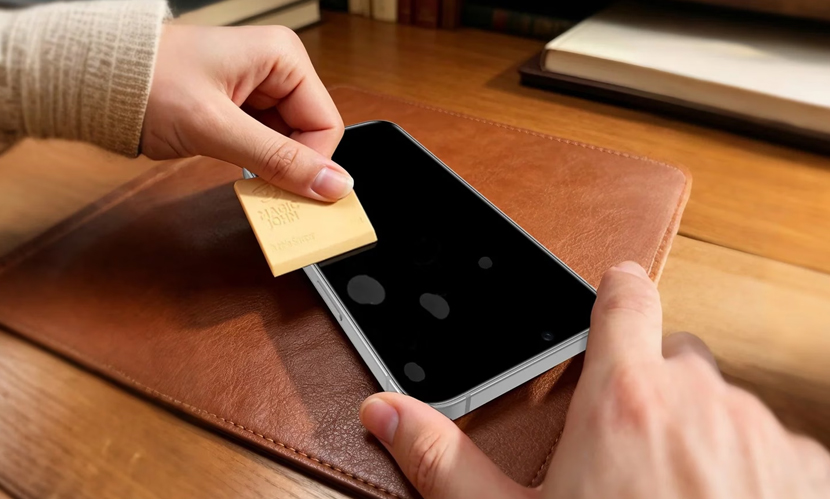

A phone makes it easy to move between news, messages and entertainment without noticing how much time has passed. When gambling becomes part of that routine, convenience can also make personal boundaries harder to maintain. A useful starting point is not a promotion or a match prediction, but a clear decision about whether to participate at all and what would trigger a stop.
Someone reading about the Mostbet app should separate information about mobile access from evidence about player protection. An app description is not proof that particular controls are available, effective or suitable for that person. Account limits, restriction options and support channels should be checked directly, and access to a website does not establish that participation is permitted locally.
Start With Money That Has No Other Purpose
A personal budget should exclude rent, food, education, debt repayments and emergency savings. If there is no genuinely disposable money, the appropriate gambling budget is zero. Gambling is not a reliable income source, and a potential payout does not justify using money that is already needed elsewhere.
Write down the boundary before opening an account or following a sporting event. Do not raise it because a favourite team is playing or because an earlier bet lost. The purpose is to make the decision while calm, rather than renegotiating it during an emotionally charged session.
Understand What Each Limit Actually Controls
A deposit limit concerns money entering an account. It is not necessarily a limit on total stakes, particularly when funds are repeatedly reused. A loss limit and a time restriction address different problems. Where such settings exist, read how the platform defines them and whether changes take effect immediately or after a delay.
Controls should be understandable without guesswork. Check the relevant period, what transactions count and how a restriction can be requested. If the explanation is unclear, ask for written clarification before relying on it. Do not assume that a setting on one account applies to another service.
Make Time Visible Outside the App
An independent phone alarm can provide a reminder that does not depend on the betting interface. A planned break should mean putting the phone down and doing something unrelated, not switching to a different gambling product. Avoid allowing match notifications or promotional messages to decide when a session starts.
Repeatedly dismissing reminders is useful information about behaviour. So are interrupted sleep, missed responsibilities and hiding activity from people close to you. These signs matter more than whether the account happens to show a recent win. A profitable session can still take too much time or encourage unwanted habits.
Know When a Pause Needs to Become a Restriction
A short break may be insufficient when someone repeatedly returns despite deciding to stop. Where available, cooling-off or self-exclusion options can add a barrier to access. Read their scope carefully: an account-level restriction may not cover other accounts, websites or applications.
Restriction tools are not a guarantee against harm. Someone experiencing financial pressure, secrecy or repeated loss chasing may need support beyond the platform, including a trusted person or an appropriately qualified support service. Do not open another account to get around an existing restriction.
Keep the Decision Under Your Control
Protect account credentials on shared devices and keep gambling content away from children. Review notifications and remove prompts that undermine a decision to stop. If personal boundaries are becoming harder to follow, stopping is more important than completing a promotion or waiting for the next fixture.
The practical test is simple: can the person leave without bargaining with the budget, the clock or previous losses? If not, adding another reminder may be less useful than taking a longer break and seeking support. Mobile convenience should never take priority over essential finances, relationships or wellbeing.