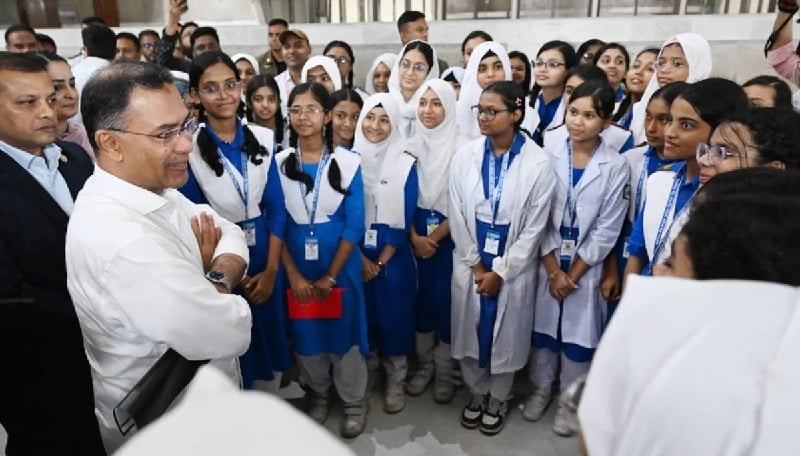
From newspapers to the Internet and social media platforms, home news is pivotal to the identity and belonging of the Bangladeshi diaspora. Similar to how Glory Cash Casino Bangladesh is creating a sense of belonging in the country.
Introduction
There are an estimated 13 million Bangladeshis living outside the country, creating one of the largest migrant communities in the world. Bangladeshis have fostered lively communities around the world, from London and New York to Dubai and Kuala Lumpur, and they have made significant contributions to their homeland through remittances, businesses, and cultural exchange.
Regardless of the negative perception of the Bangladeshi diaspora abroad, emotional attachment is prevalent. One of the enduring ways is the news media. Whether it relates to politics, cricket, or other cultural activities, news about Bangladesh helps the Bangladeshi diaspora resolve their identity and belonging issues.
This article discusses the home news platforms the Bangladeshi diaspora uses, issues in diaspora journalism, and the gap in the market.
Global Bangladeshi Diaspora
Over the last couple of decades, the Bangladeshis have migrated due to various reasons, including employment, education, settlement, etc. Some of the destinations where a diaspora is found include the following:
- Countries such as the UK have a large population of Bangladeshis and centers such as London, Birmingham and Manchester have a high concentration.
- Across the Mid. East Bangladeshis form a large constituency in Saudi Arabia, the UAE, Qatar and Kauai.
- The US and Canada continue to attract Bangladeshis and a large population of students and professionals exist.
- Malaysia and Singapore continue to attract Bangladeshis for high concentration.
- Italy, Spain and Greece also have residents as a result of economic migration.
No matter how migration is experienced, there is a common issue for all these communities and that is keeping in contact about the news of the country.
The Importance of Keeping the Diaspora Home News in Touch
- Cultural Campus – People in the diaspora maintain a close connection to the country by listening to radio, reading Bangladeshi newspapers, and watching news channels and television.
- Political Activity – There are many Bangladeshis living abroad that are very active in the politics of the country even participating in discussions, giving speeches and protests and elections.
- Societal Relations – People in the diaspora maintain a close connection to the country by listening to radio, reading Bangladeshi newspapers, and watching news channels and television.
- Business Matters – From the business section, the diaspora gets updated about policies of the country, remittance, and the country where they live that gives the migrants a lot of investment opportunities.
- Concern – The news provides a sense of reassurance, especially in times of crises during floods, cyclones, and political instability.
Traditional Print Media and The Diaspora
Since the very beginning, the printed version of newspapers has acted as a lifesaver for the Bangladeshis.
- Iconic Bangladeshi owned Newspapers such as Janomot, with its UK version which was established in 1969, is a perfect example for the community.
- Prothom Alo, Ittefaq, and Bangladesh Pratidin also had a focus on the diaspora, and were often found in places that had a significant Bangladeshi population.
- These newspapers kept Bangladeshis in the diaspora up to date with news back home and gave information on events happening around them, thus connecting the two worlds.
- In the digital era, the ability to print and distribute newspapers abroad has become a rare ability, but the accomplishment in community building is still appreciated.
The Boom of Satellite TV and Bangladeshi Channels in The Diaspora
- In the 1990s and 2000s, the availability of Satellite TV multiplied, which allowed Bangladeshi people in the diaspora to catch Bangladeshi channels live.
- These TV Channels including ATN Bangla and in addition Channel i, NTV, and Bangla TV UK, were successful in reaching homes in Europe, North America, and the Middle East.
- These channels provided a much needed connection to Bangladesh with news bulletins, dramas, talk shows, and cultural programming and were a “home away from home.”
- For many first generation migrants, who had little to no access to the internet, Bangladeshi Satellite TV Channels were the primary source of news.
Most of the channels still operate, and are now available for streaming online, continuing to cater to the diaspora.
Mobile Platforms and the News Revolution
The arrival of the digital age has transformed the ways news is consumed by the Bangladeshi diaspora. It has made the access and use of Bangladeshi media easier than ever, especially with the availability of smartphones and the internet.
Diaspora Use Platforms
- BDNews24.com – One of the earliest online news agencies that provides news constantly.
- Prothom Alo Online – The most popular website of the Bangla diaspora for articles with a national and cultural focus.
- The Daily Star Online – The most popular online newspaper among Bangladeshi and second-generation diaspora youths who can speak English.
- Bangla Tribune, JagoNews24, Kaler Kantho Online – Digital only news media that are the most popular among younger audiences.
Mobile Applications and News Notifications
No matter where the diaspora audience are, Dallas Texas, or Dubai, news applications always make sure they are updated with the latest information. The news relevant to the diaspora is sent in the form of push notifications.
Lifecycle of Mobile News Consumption
Social media has transformed the way news is read and dispersed among the diaspora community. Platforms like Facebook, Twitter, Youtube and WhatsApp play a fantastic role in this.
- There are thousands of groups serving Bangladeshi communities around certain geographical areas that focus on news sharing.
- Community leaders use this app to circulate messages, blogs, and videos of interest to them, so they can globally access the content.
Youtube
- Many Bangladeshi TV channels and independent video content creators use Youtube as a source to connect with the audience around the world.
- TikTok and Instagram are now being used by younger members of the diaspora for quick entertainment and to get important news highlights.
Diasporas are given the ability through social media to engage more with Bangladesh.
- Case Study: The British Community of Bangladeshis One of the oldest and most established communities of Bangladeshis is located in the East end of London. A Bangladeshi diaspora is also located in the UK.
- Testimonial Legacy – The backbone of the identity as a community stemmed from the Newspapers Janomot and Surma.
- News in Bangla and Bangla TV UK along with community radio stations broadcast TV and radio.
- Second and third generation Bangladeshis depend largely on news that integrates local community reporting with news from Bangladesh.
This shows how the changes in news consumption among diaspora Bangladeshis reflect the global shift in news consumption patterns.
Emotional Aspects of Keeping In Touch
- For Bangladeshis of diaspora, consuming news from home is a part of their identity and feeling of belonging as well as it is for the news.
- National Events – For instance, the pride from and ability to watch and keeps track of cricket matches and the celebration of the country’s Independence Day comes full circle.
- During disasters, the feeling of news during floods, political unrest, and tragedy gives the feeling to connect and prompts support from abroad.
- Reading about cultural festivals, weddings of celebrities, and the accomplishments of the educational system strengthens bonds with the country.
Challenges in Diaspora News Consumption
Information Overload – The quantity of news and information on the internet is increasing which makes it difficult and time-consuming to separate facts from falsehoods.
- Misinformation – Social media platforms easily and rapidly disseminate unverified information, which is particularly common during elections and elections-related crises.
- Generational Divide – The older population of migrants tends to prefer Bangla-language television and other print media, while the younger population focuses on social media, particularly in the English language.
- Time Zone Barriers – The time difference between the Bangladesh time and the diasporic cultures and practices could lead to the acceptance of recorded news.
Opportunities for Diaspora-Focused Journalism
- Geographically Specific Content – Outlets can edit news from the mother country with news of the diaspora for which they can produce the source themselves.
- Bilingual Journalism – The first generation bilingual Bangla and English speakers and the second generation English speakers.
- Community Engagement – Diaspora centric audiences with tailored interactive podcasts, live Q&As and other supportive platforms.
- Members and Subscription – Outlets can diversify focus now that the media for the diaspora is more trusted.
Guidelines for Diaspora Readers to Stay Updated
- Read from a Diverse Range of Sources – Integrate Bangla and English newspapers to achieve more accuracy.
- Check News Credibility on Various Channels – Particularly on politically sensitive or crisis-related news.
- Support Community Media – Local diaspora newspapers, radio stations, and principals offer relevant context to migrants.
- Don’t focus simply on current affairs, engage journalism of culture, and foster emotional relationships.
Final Remarks
The Bangladeshi diaspora accesses news of Bangladesh as a way of preserving identity, social ties, and participating in the country’s politics and culture. From the first print newspapers that arrived from London, to mobile news apps and social media, the way people consume news has changed, but the emotional connection to the news has not.
As technology develops, there are greater opportunities to diaspora-focused journalism. News has always transcended borders, be it through Prothom Alo’s digital platform, WhatsApp groups connecting villagers, or The Daily Star’s English news dissemination.
In a globalized context, the Bangladeshi diaspora demonstrates that the notion of home has transcended geopolitics. It’s a connection cultivated through stories, headlines, and memories that are shared on a daily basis.